
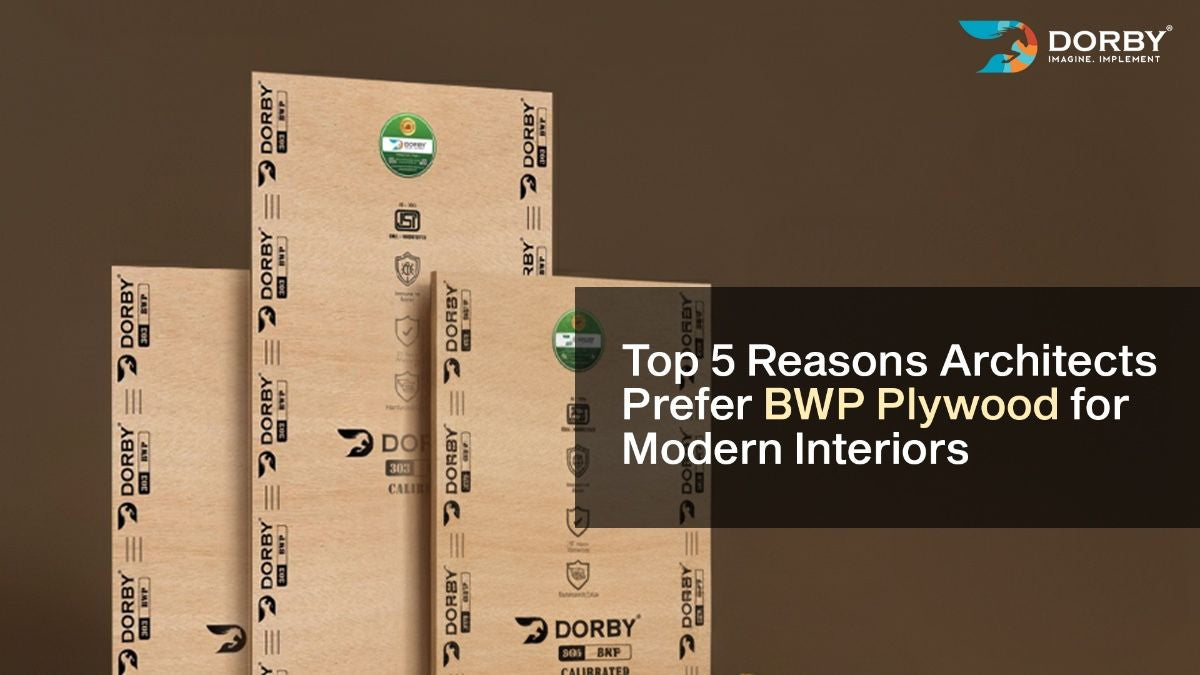
الاختيار الأول للمهندسين المعماريين: 5 أسباب جوهرية تجعل خشب الـ BWP الرقائقي يسيطر على التصميمات الداخلية الحديثة
يُصمم المهندسون المعماريون في عام 2025 منازل ومساحات تجارية تحتاج إلى أن تبدو أنيقة بينما تتحمل ظروف الحياة اليومية، لذا أصبحت اختيارات المواد أكثر دقة. غالبًا ما يصبح الخشب الرقائقي من نوع BWP هو الخيار الأمثل في هذه المشاريع لأنه يدعم التفاصيل النظيفة في الخزائن، وتكسية الجدران، والأثاث المعياري.
يشير مصطلح BWP إلى Boiling Water Proof (مقاوم للماء المغلي)، مما يعني أن اللوح مصمم للتعامل مع التعرض للرطوبة بشكل أفضل بكثير من الخيارات العادية. في الإنشاءات عالية الجودة، تعد المادة الأساسية لا تقل أهمية عن اللمسة النهائية، ولهذا السبب أصبحت الألواح الأساسية الأفضل أولوية الآن.
ما هو خشب BWP الرقائقي؟ نظرة عامة سريعة
BWP هي فئة من الخشب الرقائقي مصنوعة خصيصًا للبيئات التي لا يمكن تجاهل فيها الرطوبة وملامسة الماء. يتم تصنيع خشب BWP الرقائقي باستخدام مواد لاصقة مقاومة للماء وبناء أكثر إحكامًا، لذا فإنه يحافظ على استقراره بشكل أفضل في المناطق الداخلية الصعبة. غالبًا ما تسمع المهندسين المعماريين يناقشون الامتثال والتصنيف لأن هذه التفاصيل تؤثر على الأداء في المطابخ والحمامات ومناطق المرافق.
يعتبر خشب BWP الرقائقي 303 من الدرجة الممتازة التي يحددها العديد من المحترفين عندما يريدون ثقة إضافية في سلوك اللوح بمرور الوقت. قد تبدو الألواح العادية متشابهة للوهلة الأولى، لكن الفرق يظهر لاحقًا في الحواف والمفاصل واتساق السطح.
فيما يلي مقارنة سهلة التصميم تبسط ما يقيمه المهندسون المعماريون:
|
اختيار المواد |
أين يناسب بشكل أفضل | ما يلاحظه المهندسون المعماريون أولاً |
|---|---|---|
| ألواح من درجة BWP | المناطق الرطبة ومتعددة الاستخدامات | أداء أكثر قابلية للتنبؤ في الرطوبة |
| خشب رقائقي عادي | المناطق الجافة، ذات المتطلبات المنخفضة | تفاوت أوسع عبر الدفعات |
| MDF / لوح حبيبي | المناطق المطلية، ذات الماء المنخفض | تشطيب طلاء ناعم، تحمل أقل للماء |
السبب الأول: مقاومة الرطوبة والماء لضمان طول العمر
يعتبر التعرض للرطوبة السبب الأكثر شيوعًا لفشل الألواح الداخلية مبكرًا، خاصة حول الأحواض، وغسالات الأطباق، والجدران الرطبة. يتم اختيار خشب BWP الرقائقي لأنه مصمم لمقاومة الانتفاخ، والالتواء، وفشل الروابط عندما تتغير الرطوبة على مدار العام. وهذا مهم في الظروف الهندية، حيث يمكن أن تدفع الرياح الموسمية والمطابخ المغلقة المواد بقوة أكبر مما هو متوقع. فالألواح الخشبية الرقائقية التي تحافظ على شكلها تجعل الأبواب تستقر بشكل أفضل، وتظهر الفجوات أنظف، ويبقى التوافق أكثر اتساقًا.
السبب الثاني: الموثوقية الهيكلية للمساحات الحاملة للأحمال
تعتمد التصميمات الداخلية الحديثة على الأرفف العائمة، والخزائن الطويلة، ووحدات التخزين المتعددة الطبقات التي تبدو بسيطة ولكنها تحمل أعباء يومية. يتفوق خشب BWP الرقائقي في هذه الحالات لأنه يوفر قدرة أفضل على تحمل الأحمال وقوة تثبيت مسامير أكثر موثوقية من العديد من البدائل ذات الجودة المنخفضة.
غالبًا ما يفضل المهندسون المعماريون استخدامه للخزائن، والعلّيات، والوحدات متعددة المستويات حيث يمكن أن يؤدي الانحراف إلى إفساد الخطوط المستقيمة بمرور الوقت. كما أن ألواح الخشب الرقائقي أسهل في التخطيط عبر الأنظمة المعيارية لأنه يمكن مطابقة خيارات السماكة مع المساحات والاستخدامات. مقارنةً بألواح MDF أو الألواح الخشبية المضغوطة، فإن بناء الخشب الرقائقي يوفر بشكل عام شعورًا أكثر طمأنينة في الأثاث الذي يعتمد على النجارة بشكل كبير.
السبب الثالث: تشطيب ممتاز للسطح وتوافق جمالي
يحب المهندسون المعماريون والمصممون المواد التي تقبل التشطيبات بشكل نظيف، لأن المظهر النهائي يعتمد على مدى استواء السطح في قبول الرقائق أو الطلاء. يوفر خشب BWP الرقائقي عادةً قاعدة أكثر سلاسة واتساقًا تساعد التشطيبات الزخرفية على الظهور بشكل أكثر حدة عند الحواف وأكثر استواءً عبر الأبواب الكبيرة. كما أنه يدعم لغات التصميم المعاصرة حيث التوافق، والفجوات الظلية، والألواح غير الملحومة جزء من الإحساس الفاخر.
تتكامل رقائق دوربي الزخرفية بشكل جيد مع قاعدة خشب رقائقي مُعدّة جيدًا عندما يكون الهدف هو الحصول على سطح أنيق ومميز. عندما تتصرف الركيزة بشكل متوقع، يحصل المصممون على مزيد من الحرية للتركيز على اللون، والملمس، والنسب.
السبب الرابع: تعدد الاستخدامات عبر مناطق التصميم الداخلي
أحد الأسباب التي تجعل المهندسين المعماريين يحددون هذه المادة مبكرًا هو أنها تعمل عبر مناطق متعددة دون الحاجة إلى استبدالات في اللحظة الأخيرة. يناسب خشب BWP الرقائقي المطابخ، والخزائن، ووحدات التلفاز، والأرفف، وحتى تطبيقات السقف حيث قد تتقلب الرطوبة. كما أنه يتناسب مع طريقة تخطيط المنازل الحديثة، لأن المطابخ المفتوحة ومساحات المعيشة المتصلة تحتاج إلى تخطيط ثابت للمواد عبر الوحدات.
تجعل ألواح الخشب الرقائقي التنفيذ المعياري أبسط لأنها متوفرة بسماكات شائعة يقوم المقاولون والمصانع بتحسينها بالفعل. يعتبر خشب BWP الرقائقي 303 مناسبًا أيضًا لبعض مناطق المرافق شبه الخارجية، مثل الشرفات المغطاة ذات التخزين، حيث يمكن أن تكون ظروف التعرض أقل قابلية للتنبؤ.
السبب الخامس: فعالية التكلفة دون المساومة
نادرًا ما تتعلق التصميمات الداخلية الراقية بشراء الخيار الأغلى في كل مكان، ويهدف المهندسون المعماريون عادةً إلى تحقيق قيمة تدوم لسنوات من الاستخدام. غالبًا ما يكون خشب BWP الرقائقي منطقيًا لأنه يقلل من مخاطر الإصلاحات المبكرة في الأماكن المعرضة للرطوبة، حيث تتسرب الميزانيات بصمت لاحقًا.
يمكن أن يكون الخشب الصلب جميلًا، ولكنه يمكن أيضًا أن يقدم تباينًا يعقد تشغيل الوحدات الكبيرة. تساعد ألواح الخشب الرقائقي على تحقيق التوازن بين التكلفة والأداء مع الحفاظ على كفاءة عملية البناء وتوحيدها. في سيناريو مثل خزانة ملابس عائلية كثيرة الاستخدام، يمكن أن يمنع اختيار لوح أفضل إعادة محاذاة المفصلات المتكررة ومشاكل الألواح.
كيف يحدد المهندسون المعماريون BWP في موجزات المشاريع
لا يكتفي المهندسون المعماريون بكتابة "خشب رقائقي" في ملخص المشروع ثم ينتقلون إلى التالي، لأن المواصفات الواضحة تحمي نية التصميم أثناء التنفيذ. عادة ما يتم تعريف خشب BWP الرقائقي بالسمك والدرجة والوثائق الاختبارية، جنبًا إلى جنب مع مناطق التطبيق التي يجب استخدامه فيها. تتضمن العديد من الملخصات أيضًا ملاحظات التشطيب لضمان اتساق اختيار الرقائق، وتغطية الحواف، وتفاصيل الأخاديد.
غالبًا ما يتم تحديد اختيار رقائق Dorby لكل غرفة للحفاظ على الاستمرارية البصرية عبر الأبواب والألواح. عادة ما يتم تحديد توقعات الحمل والتعرض للرطوبة حتى لا يقوم المقاولون بتخفيض جودة الألواح في المناطق المخفية.
اختيار ألواح BWP الخشبية الرقائقية المناسبة لمشروعك
يصبح الاختيار أسهل عندما تعامله كقائمة تحقق بدلاً من التخمين، خاصة للمشاريع المتميزة التي تحتوي على مناطق نجارة متعددة. يجب اختيار ألواح الخشب الرقائقي بمطابقة السمك مع التطبيق، والتحقق من علامات الدرجة، وتأكيد الوثائق من المورد.
يستحق خشب BWP الرقائقي 303 النظر فيه للمطابخ، وتخزين المرافق، والمناطق الأخرى التي يمكن أن تكون الظروف فيها متطلبة. راجع اتساق الدفعة إذا كنت تقوم ببناء كميات كبيرة من الخزائن أو الأثاث المعياري. التوريد الموثوق به مهم لأن أفضل التصميمات لا تزال تعتمد على مدخلات المواد المتسقة.
الخاتمة
يميل المهندسون المعماريون إلى استخدام خشب BWP الرقائقي لأنه يدعم التفاصيل الحديثة بينما يتعامل مع حقائق الرطوبة والحمل والمحاذاة طويلة الأمد. يصبح خشب BWP الرقائقي 303 خيارًا طبيعيًا في المشاريع المتميزة حيث تحتاج المطابخ والخزائن ومناطق التخزين إلى ثقة إضافية.
عندما يتم تحديد اللوح الأساسي بشكل صحيح، يبدو التشطيب النهائي أكثر دقة ويحافظ على اتساقه البصري. إذا كنت تخطط لداخلية جديدة، فابدأ بالركيزة، ثم ابنِ قصة سطحك عليها باستخدام تشطيبات ديكور مختارة بعناية.


