



The Future of Home Design: How AI is Revolutionising Digital Laminates
Home design is moving in a quieter but sharper direction. People are no longer choosing surfaces only because a shade looks pleasant in a catalogue. They are thinking about mood, flow, finish and how every visible surface sits with the room.
AI is useful because it helps convert scattered preferences into clearer choices. For digital laminates, this shift matters because pattern, colour and scale matter as much as the surface itself.
AI Is Changing the Way People Read Surfaces
A laminate is not just a flat sheet placed on furniture or panels. It becomes part of the room’s character.
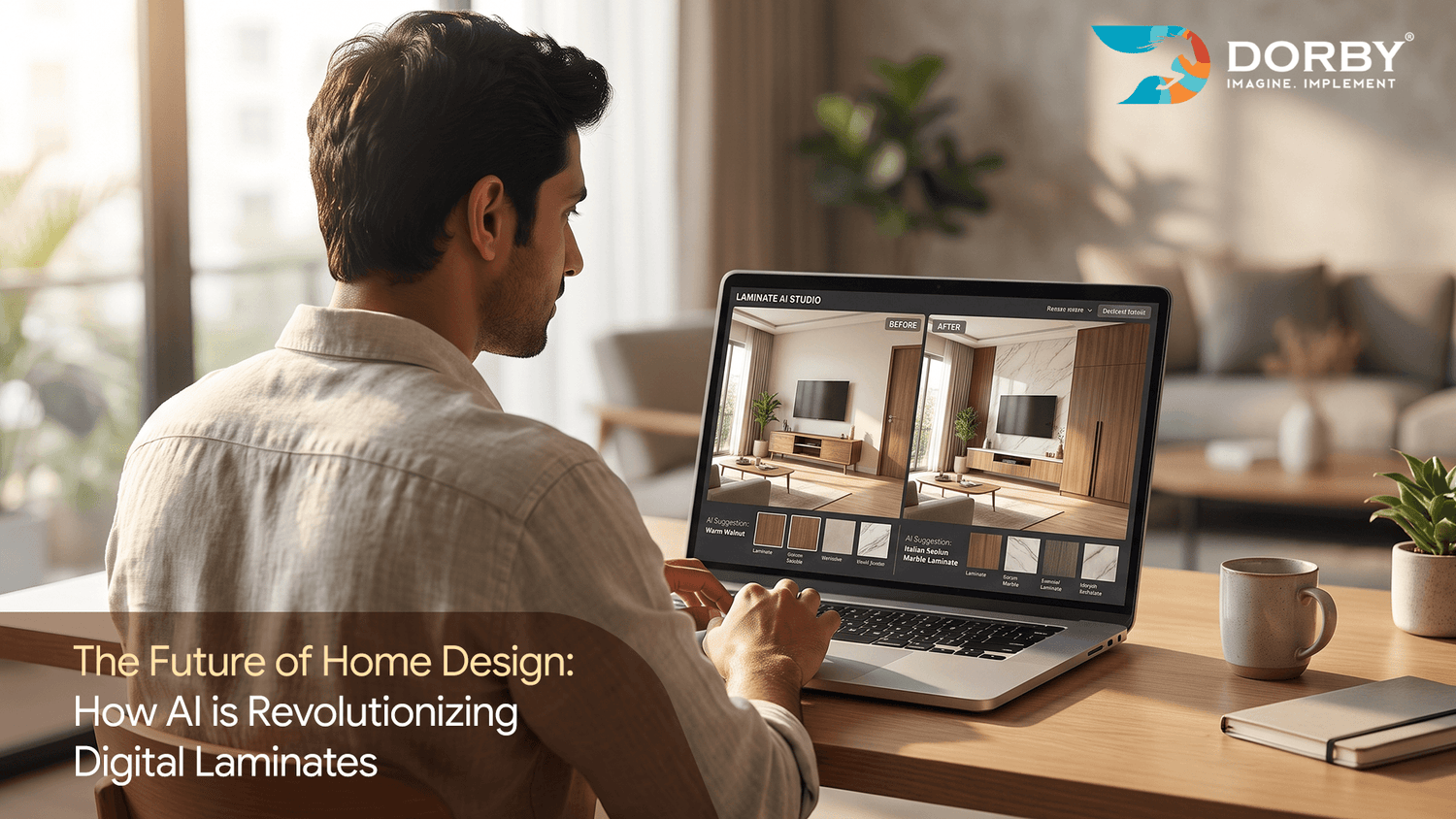
AI helps buyers and design teams look at surfaces with more context. Instead of judging laminate sheets only through small swatches, people can study how finishes may behave in a planned interior. This does not remove the need for sample checking or expert judgement, but it adds a layer before final selection.
It can help answer practical questions such as:
- Will the pattern feel calm or busy?
- Does the colour sit well with the palette?
- Is the finish suitable for the mood?
- Will the surface look balanced across a larger area?
Digital Design is Becoming More Personal
Every home has its own rhythm. Some spaces need quiet surfaces. Some need movement, texture or visual interest.
Digital laminates fit well into this changing design mindset because they allow more freedom in print, tone and surface expression. AI helps users understand what kind of direction feels closer to their taste. It may suggest a softer palette, cleaner pattern or richer visual style, based on the design brief.
For buyers looking at decorative laminates in India, this can make selection less tiring. There are many choices in the market, and too many options can create confusion. A guided approach helps shortlist options more sense.
Better Visualisation Means Fewer Doubts
One common problem in interior planning is that people imagine a surface one way and see it differently after it is placed.
AI-based visualisation can reduce that gap. It gives a clearer idea of colour spread, pattern scale and finish impact before selection is locked. This is helpful because laminates cover surfaces seen every day. A small design decision can change the tone of the room.
Still, visualisation should be treated as guidance, not a final verdict. Real samples, lighting, surrounding colours and expert advice remain important. AI makes the early stage more organised.
Designers Can Work with More Clarity
Interior work involves many people, and everyone may understand design differently. AI can make those conversations smoother.
When a designer presents surface options, a buyer may not understand why one finish suits the space better than another. AI-supported previews and mood-based sorting can make that explanation simpler. It gives the discussion a visual base, not just a technical one.
This is helpful when working with premium laminates, where the goal is usually a refined, balanced finish. The surface should not fight with the rest of the room. It should support the larger design thought. AI can compare options, but the designer’s eye still decides what feels right.
AI Can Help Control Visual Overload
The modern laminate market offers many shades, textures and patterns. Choice is useful, but it can also slow decisions.
AI can organise selections by mood, finish, colour family and design intent. This makes the buying journey easier, especially for people who do not work with interiors every day. Instead of seeing everything at once, they can move through more relevant options.
A cleaner selection process can help users notice:
- Which surfaces feel too loud
- Which finishes feel too plain
- Which tones match the planned interior
- Which patterns may stay appealing for longer
This filtering does not make the choice less personal. It removes some of the noise around it.
The Human Eye Still Matters Most
AI can suggest, arrange and visualise, but a home cannot be designed by data alone. Surface selection also depends on feeling. The way a room is used, the comfort of the people living there and the overall mood of the space cannot be understood through a screen. That is why AI should support the process, not lead it blindly.
The best results may come when technology and human judgement work together. AI can make the options clearer. Designers and homeowners can then bring in taste, restraint and lived experience.
Final Thoughts
AI is not making home design mechanical. Used well, it can make surface selection more thoughtful. It helps people understand digital laminates with better visual clarity and compare choices without feeling lost. For Indian interiors, this can mean calmer decisions, planned surfaces and homes that feel personal without looking overdone.