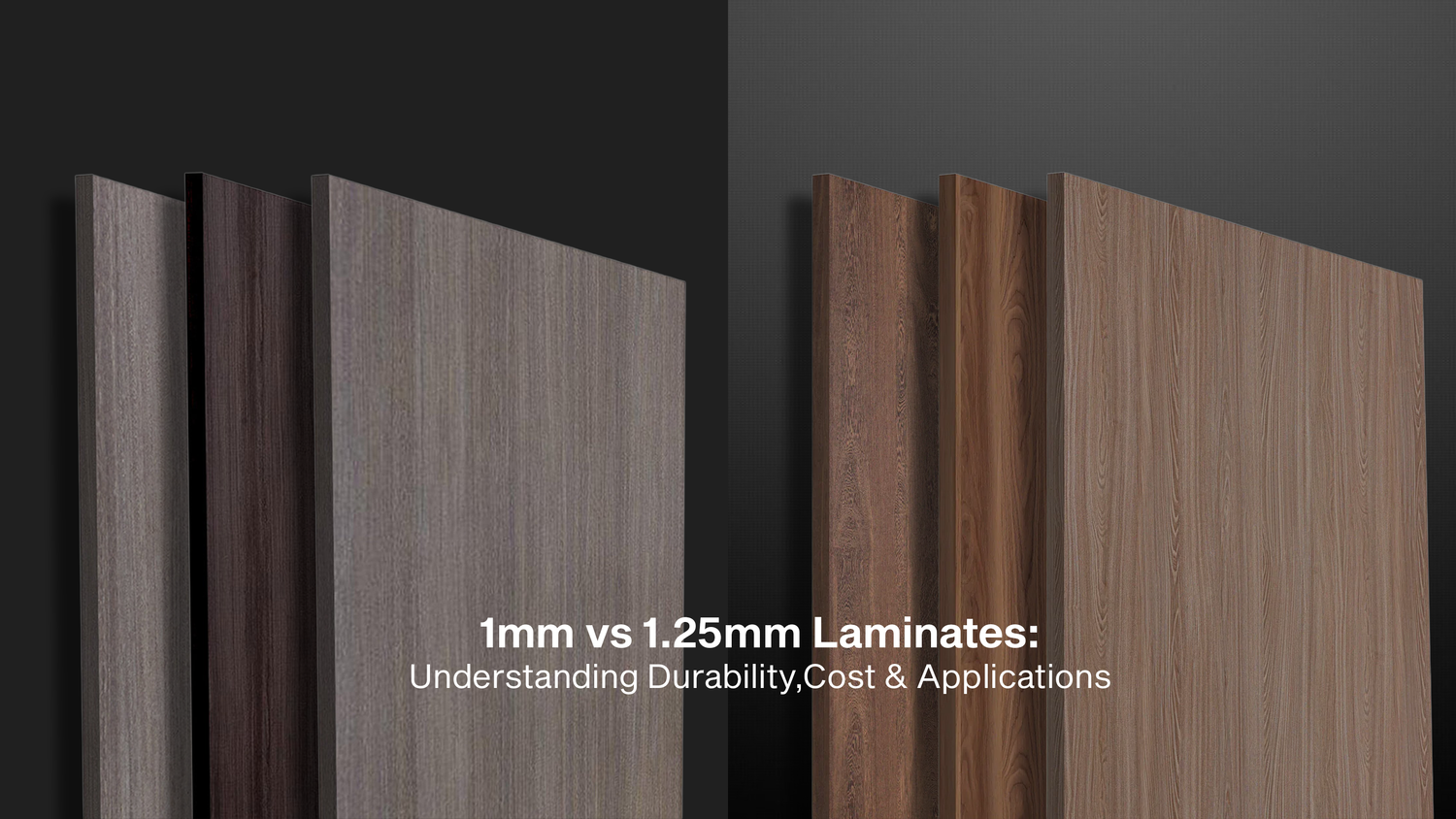
1mm vs 1.25mm Laminates: Understanding Durability, Cost & Applications
Laminate thickness is easy to ignore until a shutter starts looking tired or a panel begins to show everyday wear. The difference between a 1mm laminate sheet and a 1.25mm laminate sheet is small, but it changes how a surface feels, performs, and ages. Your choice influences finish retention, cost, and the right-fit application. With Dorby, thickness becomes a design decision, and you can shortlist looks through the laminates catalogue.
What Are Laminates? A Quick Overview
Decorative laminates are factory-finished sheets bonded onto a base like plywood or MDF to create a clean, uniform surface. They help you achieve a premium look across furniture and interior panels with consistent colour and finish.
Typical indoor uses include:
- Wardrobes and storage shutters
- Wall panelling and partitions
- Cabinet fronts and drawer panels
- Study units and consoles
Thickness matters because it affects edge finishing, surface feel, and how well the finish stays looking fresh over time.
Understanding 1mm Laminate Sheet
A 1mm laminate sheet is a widely used option for homes where surface styling and value need to stay balanced. Being lighter and a little more flexible, it suits many vertical and decorative panels.
Best suited for:
- Wardrobe shutters, lofts, and inner panels
- Bedroom and living room wall features
- Niches, partitions, and decorative cladding
- Furniture surfaces with lighter contact
Choose 1mm laminate sheet when the surface is mostly seen rather than constantly handled, and you want premium styling across larger areas without over-specifying.
Understanding 1.25mm Laminate Sheet
A 1.25mm laminate sheet is chosen when you want a more substantial feel and better surface resilience in high-touch zones. The extra build can also improve the visual “presence” at edges, especially on frequently used shutters and facias.
Best suited for:
- Kitchen cabinet shutters, tall units, and pantry fronts
- Kids’ room wardrobes and high-use drawers
- Office storage, reception units, and meeting cabinetry
- Frequently accessed furniture fronts
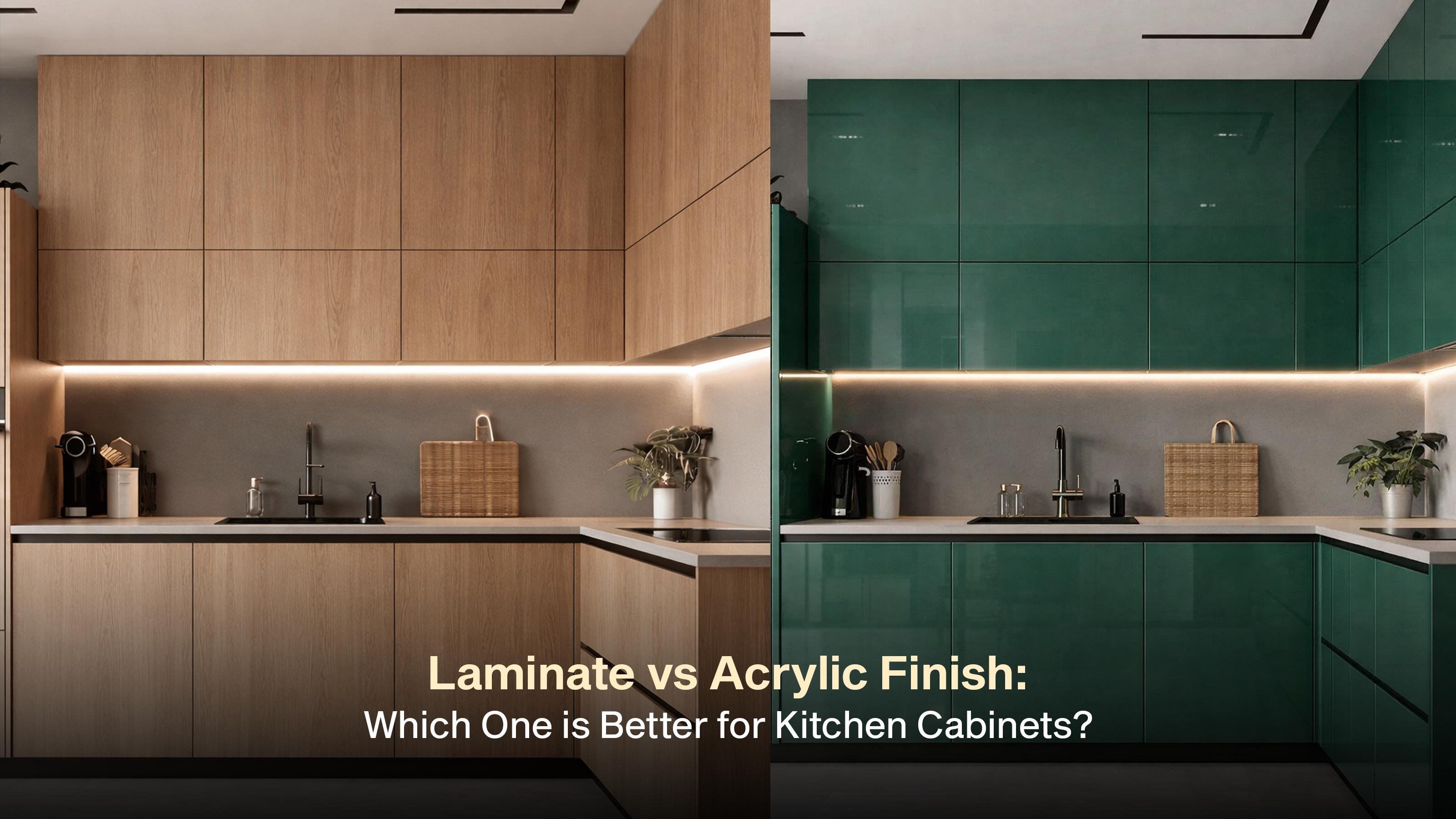
If you like a sleek, reflective look, glossy laminates for kitchen cabinetry can pair well with this thickness, as regular wipe-downs are less likely to dull the finish when detailing and maintenance are planned well.
1mm vs 1.25mm Laminates: Key Differences
Both thicknesses can look premium. The smarter choice comes from matching thickness to usage, detailing, and maintenance expectations.
| Factor | 1mm laminate sheet | 1.25mm laminate sheet |
|---|---|---|
| Everyday performance | Better for lighter-contact areas | Better for high-contact areas |
| Feel and rigidity | Slightly more flexible | More rigid and substantial |
| Edge presence | Clean, joinery-dependent | More pronounced edge definition |
| Finish retention | Reliable for vertical use | Better for frequent touch zones |
| Budget positioning | Usually more cost-friendly | Usually priced as a premium option |
| Best-fit applications | Wall panels, wardrobes, décor cladding | Shutters, office storage, high-use fronts |
Cost in India: what you are paying for
In most Indian projects, the price difference is not only the sheet. Thicker laminates can influence overall value because edging, alignment, and finishing tend to look more refined on high-touch shutters.
Cost drivers to keep in mind:
- Sheet thickness and finish type (matte, gloss, textured)
- Edge banding and colour matching for a seamless frame
- Labour time for frequently used shutters versus wall panels
- Wastage from cut-outs, handle positions, and grain matching
Review swatches in daylight before you finalise.
Choosing the Right Laminate for Your Space
Think in terms of “touch frequency”. This simple lens keeps the choice clear across rooms in Indian homes.
Pick 1mm laminate sheet when:
- The surface is vertical and decorative
- You are doing wall features or wardrobe banks
- You want premium styling across a larger area
Pick 1.25mm laminate sheet when:
- Shutters and drawers are opened repeatedly
- You want a more substantial feel on furniture fronts
- You expect frequent cleaning and regular handling
To decide faster, shortlist your finish first (matte, gloss, textured), then match it to the room’s usage intensity. Dorby’s laminates catalogue helps you compare collections, categories, and finishes in one place.
Why Thickness Matters More Than You Think
Thickness influences how premium a surface feels at edges, corners, and high-touch points. Over time, the right choice can mean fewer touch-ups, easier upkeep, and interiors that continue to look well-finished even in busy households.
It also supports cleaner detailing for modern layouts that favour uninterrupted planes and minimal hardware.
Conclusion
A 1mm laminate sheet and a 1.25mm laminate sheet can both create a refined interior, but they serve different expectations. Choose 1mm for beautifully styled, lower-contact panels and broad decorative coverage. Choose 1.25mm where daily use is higher and you want a more substantial surface experience.
Explore Dorby’s premium range through the laminates catalogue, and let thickness quietly support interiors that feel considered for years.
FAQs
1) Is 1.25mm always better than 1mm?
Not always. 1.25mm laminate sheet suits high-touch shutters and furniture fronts, while 1mm laminate sheet is ideal for large vertical panels and wardrobes with lighter contact.
2) Can I use laminates in a kitchen?
Yes, on cabinetry and interior panels. If you are considering glossy laminates for kitchen shutters, plan lighting so reflections look intentional, and follow a gentle cleaning routine.
3) Does thickness change how the laminate looks?
Design and finish create the look, but thickness can influence edge definition and the “substantial” feel when you open a shutter.
4) What is trending in premium Indian interiors right now?
Tactile textures, fluted detailing, warm wood tones, and reflective accents are popular for adding depth and brightness.